
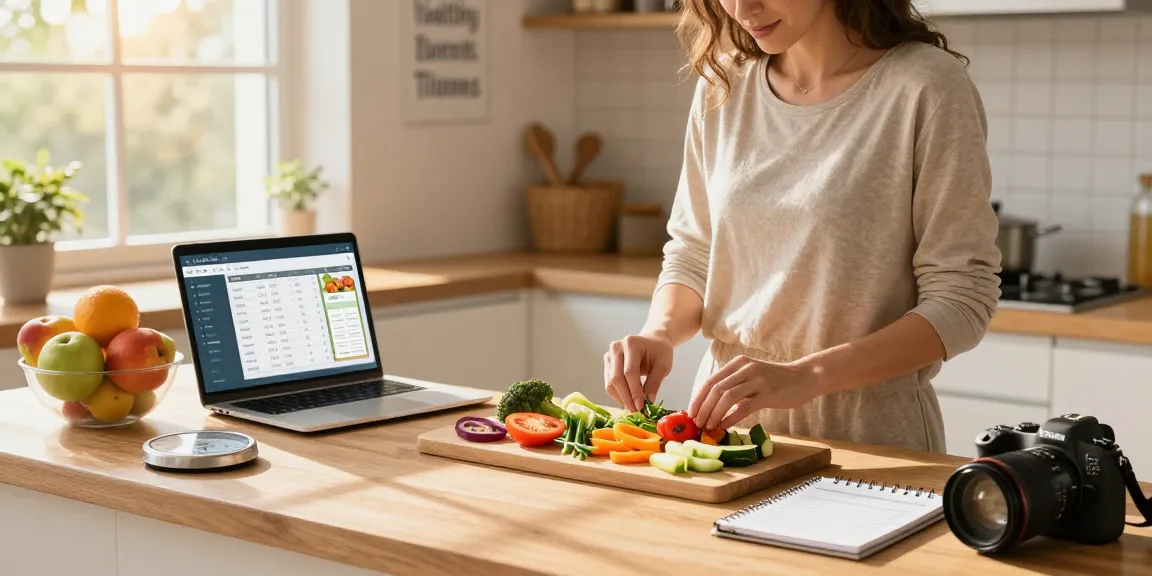
Understanding Food Tracking Apps
In an age dominated by technology, managing dietary habits has transformed from traditional methods such as food diaries into sophisticated food tracking apps. These digital tools empower users to monitor their calorie intake, nutritional balance, and overall health with remarkable efficiency. For anyone looking to make informed dietary choices or achieve personal health goals, selecting the best calorie tracking app is a crucial step. When exploring options, best calorie tracking app provides comprehensive insights to help you navigate through various choices available today.
What Are Food Tracking Apps?
Food tracking apps are mobile or web applications designed to help users log their food consumption and track their nutritional intake. These apps allow individuals to input what they eat and drink, providing feedback on calorie count and nutrient content. Most apps include features like barcode scanning, food databases, and even meal suggestions based on dietary preferences.
The Benefits of Using a Calorie Tracking App
The primary advantage of using a calorie tracking app is the ability to gain insight into one’s eating habits. By consistently logging meals, users can identify patterns, make healthier choices, and stay accountable. Key benefits include:
- Increased Accountability: Regularly tracking meals can deter individuals from mindless eating.
- Customization: Many apps allow users to tailor their dietary goals according to personal needs, whether it’s weight loss, muscle gain, or maintenance.
- Nutritional Guidance: Apps can provide insights into macro and micronutrient intake, helping users achieve a balanced diet.
- Progress Tracking: Visual graphs and statistics can help users track their progress over time.
How Food Tracking Apps Improve Dietary Habits
Research shows that people who track their food intake tend to be more successful in achieving their dietary goals. Food tracking apps serve as a self-monitoring tool that can instill greater awareness of food choices, portion sizes, and nutritional values. This heightened awareness can lead to healthier eating habits, decreased caloric intake, and better nutritional quality in meals.
Top Food Tracking Apps of 2026
As the demand for effective dietary management tools rises, several food tracking apps have emerged as frontrunners in 2026. Here’s a closer look at the top contenders and what makes them stand out.
Ranking Overview: Best Calorie Tracking Apps
Based on our rigorous testing criteria, we have ranked the best calorie tracking apps of 2026, considering factors such as usability, accuracy, and the breadth of features. This year’s top apps include:
- Welling – Best AI-driven meal tracking with personalized coaching.
- Cronometer – Best for micronutrient tracking and detailed analyses.
- MacroFactor – Best expenditure-adaptive macro coach with customizations based on user data.
- YAZIO – Best for meal planning and fasting options.
- Lifesum – Best overall for user experience and design.
- Carb Manager – Best for low-carb and keto tracking.
In-depth Reviews of Popular Apps
Each of the top-ranking apps has unique features tailored to different user needs. For instance, Welling incorporates AI technology, providing users with personalized meal recommendations based on their logged data. Cronometer excels in tracking micronutrients, making it ideal for those focused on achieving a well-rounded diet. MacroFactor’s intelligent coaching learns from users’ metabolic rates to adjust caloric needs accordingly.
Comparison of Features and Usability
When selecting a food tracking app, it’s essential to consider not only the features but how user-friendly they are. We’ve assessed each app based on key elements:
- User Interface: Is the app easy to navigate?
- Food Database: Does it have a wide range of foods, including international selections?
- Visual Data Representation: Are there useful features like charts or graphs that help visualize dietary habits?
- Nutrition Coaching: Does the app offer personalized advice or meal planning options?
How to Choose the Best Calorie Tracking App
Choosing the right food tracking app can be overwhelming given the plethora of options available. Here are essential factors to consider when making your selection:
Key Features to Look For
When evaluating food tracking apps, prioritize key features based on your dietary goals. Look for apps that offer:
- Barcode Scanning: For easy logging without manually entering foods.
- Integrations: Compatibility with fitness trackers or smartwatches.
- Community Support: Access to forums or groups for motivation and support.
User Experience and Interface Considerations
User experience is critical for long-term adherence to any food tracking app. Consider the layout, ease of use, and overall design. Apps that provide a smooth experience encourage consistent usage.
Addressing Common Misconceptions
One prevalent misconception is that food tracking apps are only for those aiming to lose weight. In reality, these apps can support various dietary goals, including muscle gain and maintenance. Education on nutrition can empower users beyond mere calorie counting.
Real-World Applications of Food Tracking
Food tracking apps are not just theoretical tools; they can lead to tangible benefits in real life. Here are some of the impactful applications of these technologies:
Success Stories from App Users
From dieters to fitness enthusiasts, countless users have transformed their lives by leveraging food tracking apps. Many report significant weight loss, improved energy levels, and enhanced awareness of food choices. These success stories often showcase that accountability and tracking can be game changers.
Impact on Weight Loss and Maintenance
Studies indicate that individuals who utilize food tracking apps tend to lose more weight compared to those who do not. The accountability factor, combined with data analytics, aids individuals in making informed decisions that resonate with their long-term goals.
Integrating Food Tracking into Daily Routines
To reap the benefits of food tracking, it should seamlessly fit into daily routines. Setting aside a few minutes each day to log meals can foster mindfulness and make nutritional tracking a manageable task.
Future Trends in Food Tracking Technology
The food tracking landscape is continuously evolving, driven by advancements in technology and data analytics. Here are some trends shaping the future:
Innovations in AI and Machine Learning
As artificial intelligence continues to develop, food tracking apps are becoming smarter. Future advancements may lead to even more personalized experiences, predicting users’ dietary needs and offering tailored recommendations based on their intake patterns.
Emerging Features for Enhanced User Engagement
Developers are focused on improving user engagement through gamification, community features, and more comprehensive educational resources. Expect to see features that promote social sharing of achievements, fostering a sense of community.
Predictions for the Next Five Years
In the next five years, it’s likely that food tracking apps will tap into augmented reality and voice recognition for an even more interactive experience. This will enable users to visualize their meals in real-time and enhance the logging process.
What Makes the Best Calorie Tracking App?
Ultimately, the best calorie tracking app is one that fits seamlessly into your lifestyle, addresses your specific needs, and empowers you to reach your dietary goals. Whether you prioritize ease of use, comprehensive databases, or advanced coaching features, the solution is out there.
Can Food Tracking Apps Support Specific Diets?
Food tracking apps can support various dietary preferences, including vegan, keto, and paleo diets. Many apps provide customizable options and suggestions tailored to specific nutritional guidelines, ensuring users can adhere to their chosen diet.
Are AI-powered Tracking Apps Accurate?
While AI features enhance usability, accuracy can vary. It is essential to cross-reference logged data with trusted nutritional sources to ensure precision, especially for portion sizes and calorie counts.
