Understanding the NAGA2000: Specifications and Features
The NAGA2000 is becoming a cornerstone device for professionals in electronics, thanks to its innovative design and multifaceted capabilities. This device stands at the crossroads of functionality and efficiency, making it appealing for repair technicians and hobbyists alike. When exploring options, NAGA2000 provides comprehensive insights into the latest advancements in the realm of electronics repair.
What Makes NAGA2000 Unique?
What distinguishes the NAGA2000 from other devices on the market is its unique blend of high-performance features and user-friendly design. This device is not just about functionality; it also offers a range of capabilities that cater to various users. The adaptable interface and connectivity options make it versatile enough for different types of repairs, from handheld gadgets to larger electronic systems.
Key Specifications Overview
- Screen Size: The NAGA2000 features a 5-inch display, allowing users to navigate interfaces easily.
- Processor: Equipped with a powerful quad-core processor, it supports rapid computations essential for diagnostics.
- Batteries: It has a high-capacity battery capable of lasting up to 15 hours on a single charge, enhancing portability.
- Connectivity: Includes Bluetooth, Wi-Fi, and Ethernet capabilities for seamless integration with other devices.
- Weight: Weighing only 1.5 pounds, it’s lightweight and easy to carry around, making it ideal for onsite repairs.
Comparing NAGA2000 with Other Devices
In the current market, the NAGA2000 is often compared to devices like the TechMaster 3000 and the RepairPro X. While these competitors also offer robust specifications, the NAGA2000’s versatility and ease of use set it apart. For instance, the TechMaster 3000 focuses mainly on smartphone repairs, whereas the NAGA2000 can manage a broader range of electronics, making it a more cost-effective solution for technicians who work with diverse devices.
Common Repair Issues with NAGA2000
Despite its advanced features, the NAGA2000 is not immune to common issues that users may encounter. Understanding these challenges can prepare technicians to diagnose and resolve them effectively.
Diagnosing Electrical Failures
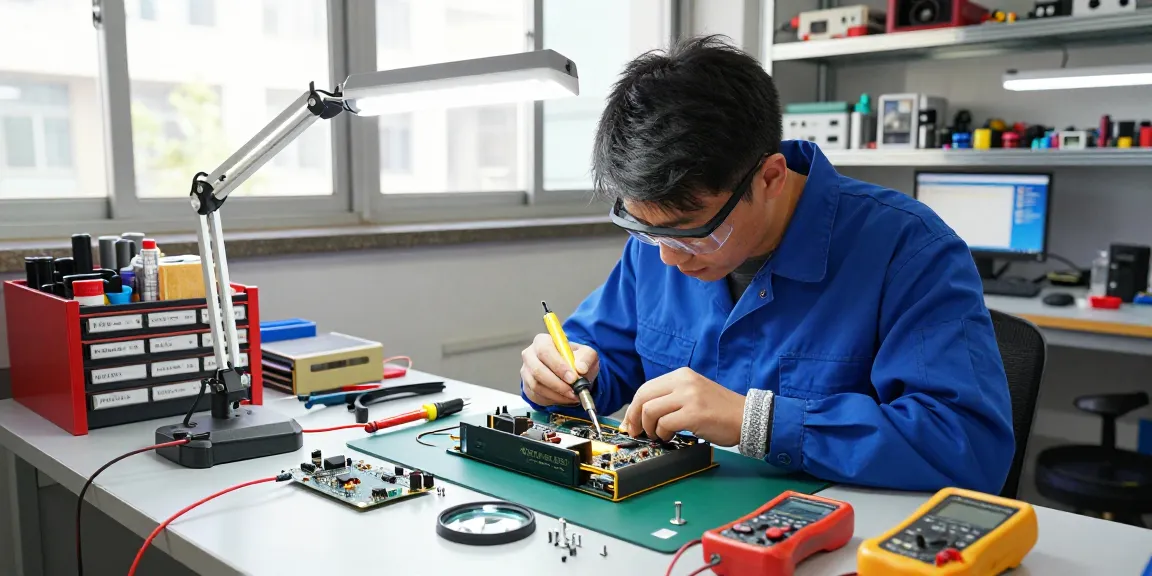
Electrical failures in the NAGA2000 often manifest as power issues or erratic behavior. A thorough diagnostic process starts with testing the power supply and examining the internal components for damage. Utilizing a multimeter can help identify faulty connections or damaged circuits.
Common Hardware Malfunctions
Hardware malfunctions can include screen failures, keypad issues, or connectivity problems. For example, if the display flickers or goes blank, it may indicate a loose connection or failing LCD. Technicians can resolve many hardware issues by reseating components or replacing damaged parts.
Software Glitches: Causes and Solutions
Software glitches can affect the performance of the NAGA2000, such as slow processing speeds or frequent crashes. These problems can often be mitigated by updating the device’s firmware or performing a factory reset. Regular maintenance and software updates are essential to keep the device running smoothly.
Best Practices for NAGA2000 Repair
When working on the NAGA2000, adhering to best practices ensures efficient repair and longevity of the device. Here are essential tips that every technician should follow.
Tools and Equipment You Need
- Multimeter for diagnosing electrical issues
- Screwdriver set for accessing internal components
- Heat gun for removing adhesive
- Anti-static wrist strap to prevent electrostatic discharge
- Replacement parts like screens and batteries specific to NAGA2000
Step-by-Step Repair Process
- Identify the issue by conducting preliminary diagnostics.
- Gather all necessary tools and parts needed for the repair.
- Carefully disassemble the device, noting the placement of screws and parts.
- Replace or repair the faulty component.
- Reassemble the device, ensuring all connections are secure.
- Test the device thoroughly to confirm the repair has succeeded.
Safety Precautions and Tips
Safety should always be a priority when repairing electronics. Ensure that you are working in a well-ventilated area and that you disconnect the NAGA2000 from any power sources. Wearing protective eyewear and gloves is advisable when dealing with sharp components or soldering.
Real-World Examples of NAGA2000 Repairs
Understanding real-world applications of NAGA2000 repairs can provide valuable insights into common issues and their solutions.
Case Study: A Successful Repair Story
One prominent case involved a technician who repaired a NAGA2000 that had suffered liquid damage. The technician utilized a cleaning solution to remove corrosion from the circuit board, replaced the battery, and restored functionality without needing to replace the motherboard. This case exemplifies the importance of thorough diagnostics and resourcefulness.
Analyzing Repair Failures: Lessons Learned
In another instance, a technician rushed a repair without checking for underlying issues, resulting in further damage. This situation underscores the importance of a methodical approach to repairs, emphasizing that proper diagnostics can save time and resources.
Customer Testimonials on NAGA2000 Repairs
Customers frequently express satisfaction with repairs completed on the NAGA2000. Many highlight the device’s reliability post-repair, noting how it has improved their efficiency in their work. Positive feedback from customers reinforces the value of employing skilled technicians who understand the nuances of the NAGA2000.
Future Trends for NAGA2000 and Electronics Repair
As technology evolves, so too will the landscape of electronics repair and the role of devices like the NAGA2000.
Emerging Technologies in Electronics Repair
Emerging technologies such as augmented reality (AR) are beginning to play a role in electronics repair. AR can provide technicians with real-time guidance during repairs, improving efficiency and accuracy. Future iterations of the NAGA2000 may integrate these technologies, offering enhanced features that streamline the repair process.
Predicting NAGA2000’s Role in Future Innovations
The NAGA2000 is poised to evolve further as new innovations emerge. With potential improvements in processing power and connectivity, the device will likely remain at the forefront of electronics repair, accommodating an expanding array of devices and technologies.
Preparing for 2026: Skills and Tools You’ll Need
To stay competitive in the evolving landscape of electronics repair, technicians will need to develop skills in software troubleshooting and familiarize themselves with new technologies. Investing in advanced training and acquiring state-of-the-art tools will be essential for those who wish to work with devices like the NAGA2000 in the coming years.
What are the common problems with the NAGA2000?
Common issues include electrical failures, hardware malfunctions, and software glitches. Understanding these problems and their symptoms is crucial for timely repairs.
How can I troubleshoot my NAGA2000 device?
Troubleshooting can start with a process of elimination. Check the power supply, inspect hardware connections, and update software to identify the issue.
What tools are essential for repairing the NAGA2000?
Essential tools include a multimeter, screwdriver set, heat gun, and anti-static wrist strap. These are vital for conducting repairs effectively and safely.
Where can I find replacement parts for NAGA2000?
Replacement parts for NAGA2000 can often be sourced from authorized dealers, online marketplaces, or specialized electronics repair suppliers.
What are the benefits of professional repair services for NAGA2000?
Professional repair services can offer expertise, access to genuine parts, and warranties on repairs. This often translates to longer-lasting repairs and peace of mind for users.