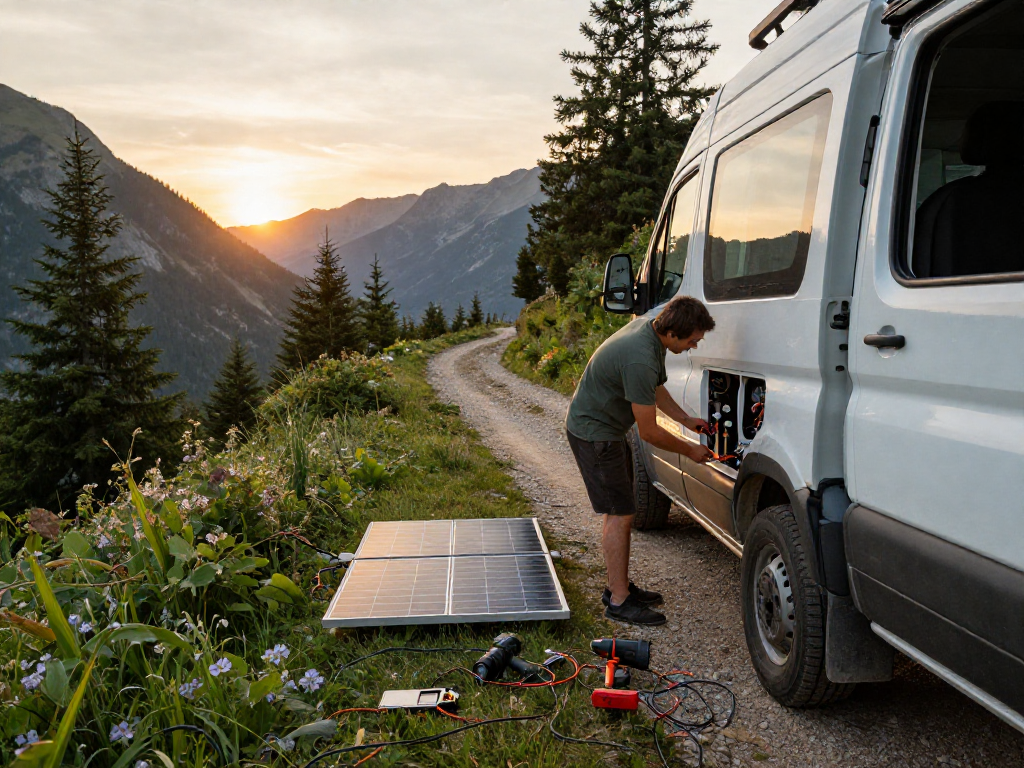
Introduction to Rokok 88 and Van Electrification
As van life continues to gain popularity among adventurers and minimalists alike, the need for efficient and reliable electrical systems in campervans has become paramount. Rokok 88 emerges as a pioneering platform aimed at revolutionizing how enthusiasts approach van electrification. By offering comprehensive guides and community support, Rokok 88 not only educates users on upgrading their van's electrical systems but also provides solutions tailored for modern travelers. This article delves into the importance of upgrading van electrical systems, common challenges faced, and how Rokok 88 supports the van conversion community. When exploring options, rokok 88 provides comprehensive insights into essential components and best practices that can enhance the overall experience of van life.
What is Rokok 88?
Rokok 88 is not just a resource; it is a community-driven initiative focused on the van conversion journey. It serves as a hub for enthusiasts looking to enhance their vehicle's electrical systems with up-to-date information, practical guides, and user experiences. By facilitating discussions and knowledge sharing, Rokok 88 ensures that users can access the latest technologies and innovations in van electrification, catering to both beginners and seasoned builders.
Importance of Upgrading Van Electrical Systems
The significance of upgrading electrical systems in campervans cannot be overstated. As more individuals embrace the nomadic lifestyle, the demand for robust, sustainable, and efficient energy solutions has soared. An upgraded electrical system allows for the integration of modern conveniences such as solar panels, advanced inverters, and lithium battery banks, translating to longer off-grid capabilities and enhanced comfort while traveling.
Common Challenges in Van Electrification
Despite the numerous advantages, van electrification poses several challenges. Beginners may struggle with understanding the various components, from battery types to wiring configurations. Additionally, ensuring safety while integrating different electrical elements can be daunting without proper guidance. Rokok 88 aims to mitigate these challenges by offering detailed guides and support from experienced builders, ensuring a smoother transition to enhanced van systems.
Understanding Electrical Components
Essential Components for Efficient Systems
To establish a strong electrical foundation in a van, several key components are essential:
- Batteries: Lithium batteries are preferred for their light weight and higher energy density compared to traditional lead-acid batteries.
- Inverters: These convert DC electricity from the batteries to AC power, necessary for running household appliances.
- Solar Panels: Integrating solar power can significantly reduce reliance on generator power, allowing for longer periods of autonomy.
- Charge Controllers: They regulate the voltage and current coming from the solar panels to prevent battery damage.
How to Choose the Right Batteries and Inverters
Selecting the appropriate batteries and inverters is crucial for optimizing energy use in a van. Factors to consider include the total power consumption of devices, desired autonomy, and charging methods. It's often recommended to choose a battery system that allows for modular expansion, enabling users to add more capacity as their needs grow. Inverters should also be selected based on the peak power requirements of appliances to prevent overloads.
Integrating Solar Energy: Best Practices
Integrating solar energy into a van's electrical system is a game-changer. Here are some best practices to consider:
- Panel Placement: Install solar panels at an angle that maximizes sunlight exposure throughout the day.
- Wiring: Use appropriately gauged wires to connect solar panels to charge controllers to minimize energy loss.
- Battery Management System (BMS): Implement a BMS to monitor the health of lithium batteries and optimize charging cycles.
Installation Best Practices
Step-by-Step Guide to Installing Solar Panels
Installing solar panels can be straightforward if approached methodically. Here’s a concise guide to ensure a successful installation:
- Assess the available roof space and determine the optimal panel size for your setup.
- Purchase mounting brackets that align with your panel specifications.
- Securely mount the solar panels to the roof using the brackets, ensuring a waterproof seal.
- Connect the panels to the solar charge controller below deck, following all safety protocols.
- Finally, connect the charge controller to the battery bank.
Tips for Wiring and Safety Considerations
Safety is paramount when dealing with electrical systems. Here are essential tips to follow:
- Use Properly Rated Components: Always select components rated for the total power capacity of your system.
- Fuses: Install fuses close to the battery on positive leads to protect against short circuits.
- Label Wiring: Clearly label wires to avoid confusion during maintenance or troubleshooting.
Common Mistakes to Avoid in Van Electrical Upgrades
When upgrading your van’s electrical system, here are common pitfalls to avoid:
- Neglecting load calculations which can lead to overwhelmed systems.
- Overlooking the importance of ventilation for batteries and inverters.
- Using substandard wiring that fails to handle the current load safely.
Maximizing Performance and Efficiency
Calculating Power Needs for Van Life
Understanding your power needs lays the groundwork for a successful electrical system. Begin by listing all electrical devices and their power ratings. Then, calculate the daily watt-hours required to ensure your battery system can meet these demands during off-grid periods. Online calculators can be helpful in determining the necessary system size.
Monitoring Systems for Long-term Success
Implementing a battery monitor can provide invaluable insights into power consumption, battery health, and charging status. This technology allows users to make informed decisions on energy usage, ensuring sustainability while traveling.
Improving Energy Efficiency with Smart Technology
Smart devices can significantly enhance energy efficiency in van living. Consider installing smart thermostats and LED lighting, which can be controlled remotely and consume less power than traditional alternatives. Additionally, using energy-efficient appliances can further reduce overall energy consumption.
Future Trends in Van Electrification
Emerging Technologies for 2026 and Beyond
The landscape of van electrification is rapidly evolving with the emergence of new technologies set to change the game. Innovations such as advanced solar technologies, more efficient charge controllers, and hybrid systems that combine solar and wind energy are on the horizon. Additionally, battery technology is expected to progress towards even lighter and more power-dense alternatives.
Environmental Impact and Sustainability Practices
As awareness of environmental issues grows, focusing on sustainable practices in van life becomes increasingly relevant. Users are encouraged to minimize waste, utilize eco-friendly products, and consider the lifecycle of their energy systems when making purchases. Utilizing renewable energy sources and reducing reliance on fossil fuels not only benefits the environment but enhances the overall travel experience.
Community Insights: What the Experts Say
The community aspect of Rokok 88 provides a platform for users to share experiences and insights that can enrich the van electrification process. Whether through forums or shared projects, the collective knowledge can significantly aid anyone looking to upgrade their systems efficiently and effectively.
What are the key components for van electrification?
The essential components include batteries (preferably lithium), solar panels, inverters, charge controllers, and efficient wiring systems. Each plays a critical role in ensuring a reliable and effective power solution for van life.
How can I maximize energy efficiency in my van?
To maximize energy efficiency, consider integrating renewable energy sources, installing smart technology, and using energy-efficient appliances. Regular monitoring and understanding your power needs are also vital.
What mistakes should I avoid in electrical upgrades?
Avoiding common mistakes like neglecting load calculations, using substandard materials, and failing to ensure adequate ventilation can save you from many headaches and potential hazards.
What trends should I watch for in van electrification?
Stay informed on emerging technologies, such as improvements in solar panels, battery systems, and hybrid energy solutions, which will likely shape the future of van electrification.
How does Rokok 88 support the van conversion community?
Rokok 88 supports the van conversion community by providing a wealth of resources, expert advice, and a platform for sharing experiences. This community-driven approach fosters collaboration and learning among van builders, ensuring collective progress in electrification projects.