Understanding Geofencing in Political Advertising
As political campaigns aim to become more targeted and efficient, innovative technologies such as geofencing are revolutionizing the landscape of electoral advertising. In essence, geofencing utilizes GPS or RFID technology to establish a virtual perimeter around a specific location, enabling campaigns to deliver tailored messages to voters within that defined area. This targeted approach not only serves to increase engagement but also maximizes the return on investment for political advertising budgets. For campaigns considering this approach, geofencing political advertising offers a versatile toolkit that integrates seamlessly with comprehensive voter data.
What is Geofencing?
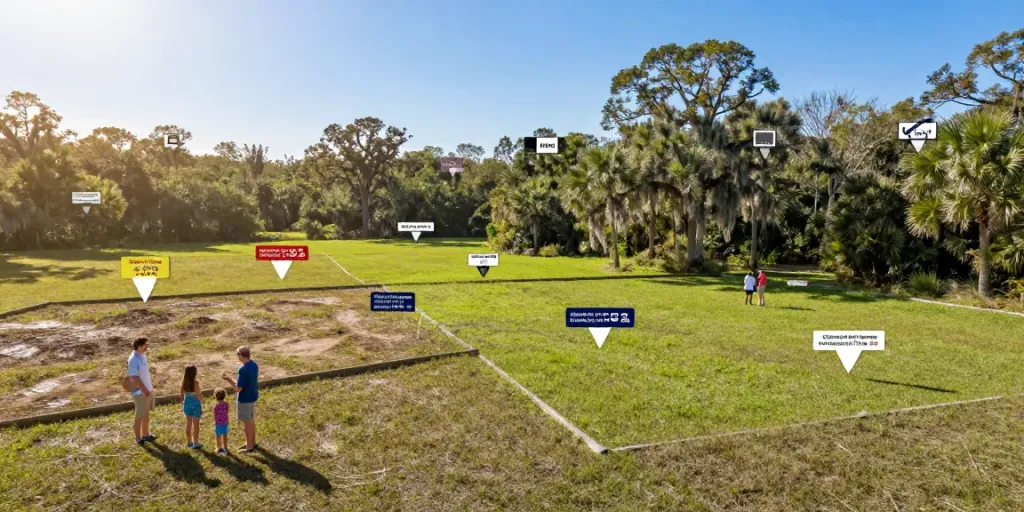
Geofencing is the use of geolocation technology to set up a virtual boundary around a physical location. When a device enters or exits this predefined area, it triggers certain actions, such as sending notifications or advertisements. In political advertising, this means that potential voters can receive targeted messages when they enter specific locations, like polling places, community events, or neighborhoods where a candidate is campaigning. This technology can dramatically enhance the reach and impact of campaign messaging, making it more relevant to constituents.
The Role of Voter Data in Geofencing
The effectiveness of geofencing in political campaigns is significantly enhanced by the use of up-to-date voter data. Campaigns can leverage detailed demographic information to identify areas with high concentrations of target voters. By using this data in conjunction with geofencing technologies, campaigns can tailor their messages to suit the needs, preferences, and interests of specific voter segments. This approach ensures that voters receive content that resonates with them, increasing the likelihood of engagement and support.
Benefits of Geofencing in Political Campaigns
- Precision Targeting: Campaigns can deliver messages specifically to individuals in chosen locations, avoiding ad waste.
- Increased Engagement: Custom messages sent to voters at optimal times can lead to higher interaction rates.
- Data-Driven Decisions: Campaigns can analyze the performance of geofencing ads to adjust strategies in real time.
- Cost-Effective Advertising: By focusing on specific areas, campaigns can save on advertising costs while increasing effectiveness.
How Geofencing Works for Political Campaigns
Setting Up Geofencing Strategies
Implementing a successful geofencing strategy begins with defining specific geographic boundaries that align with the campaign's goals. This could involve targeting neighborhoods known for high voter turnout or areas where undecided voters are concentrated. Once these locations are established, campaigns can utilize digital tools to deploy ads that resonate with the local audience, focusing on community issues or candidate platforms relevant to those neighborhoods.
Targeting Voter Segments Effectively
Effective geofencing goes beyond simply drawing a map; it demands a deep understanding of voter segments. By analyzing historical voting data, demographic information, and local issues, campaigns can create tailored messages that speak directly to the concerns of specific groups. For example, messages about education reform might be directed to suburban areas with families, while economic development messages could be aimed at urban centers facing job shortages.
Measuring Success and Engagement
To gauge the effectiveness of geofencing efforts, campaigns must establish clear metrics for success. Key performance indicators (KPIs) might include click-through rates on ads, changes in voter sentiment, and actual voter turnout in targeted areas. By continuously monitoring these metrics, campaigns can not only measure success but also make timely adjustments to optimize outreach efforts.
Challenges of Geofencing Political Advertising
Common Misconceptions and Mistakes
Despite its benefits, there are common misconceptions about geofencing that can lead to ineffective campaigns. One such misconception is that geofencing guarantees voter engagement; while it improves targeting, it does not replace the need for compelling content. Additionally, many campaigns underestimate the importance of accurate and updated voter data, leading to wasted resources on poorly targeted ads.
Legal Considerations and Compliance
Campaigns must navigate a complex landscape of legal considerations when implementing geofencing strategies. This includes ensuring compliance with privacy laws and regulations regarding data use and consent. Understanding these legal frameworks is essential to avoid potential infringements that could undermine campaign credibility and lead to legal repercussions.
Technological Barriers to Implementation
Implementing geofencing technology can present technological challenges, particularly for campaigns with limited budgets or resources. Many smaller campaigns may struggle to access the necessary tools or expertise to effectively set up and manage geofencing initiatives. However, partnering with experienced service providers can help overcome these barriers and enable smaller campaigns to tap into this powerful strategy.
Best Practices for Effective Geofencing Campaigns
Creating Compelling Content for Geofencing
For geofencing campaigns to succeed, content must be not only targeted but also compelling. Campaigns should focus on creating messages that resonate with local issues, leveraging stories or data that connect with voters' experiences. Engaging graphics and clear calls-to-action can also enhance the effectiveness of ads, encouraging voters to engage with the content.
Integrating Other Marketing Strategies
Geofencing is most effective when integrated with other marketing strategies. For example, combining geofencing with social media outreach or email marketing can amplify a campaign's message, reaching voters through multiple touchpoints. This integrated approach can help reinforce messages and increase overall engagement.
Using Real-Time Data to Optimize Campaigns
One of the biggest advantages of geofencing is the ability to utilize real-time data for campaign optimization. By analyzing engagement metrics and voter feedback as they come in, campaigns can make informed decisions that enhance their strategies on the fly. This responsiveness can significantly improve the effectiveness of outreach efforts and ensure that messaging remains relevant to changing voter sentiments.
Future Trends in Geofencing Political Advertising
Emerging Technologies for 2026 and Beyond
As technology continues to evolve, so too will the tools available for geofencing political advertising. Emerging technologies, such as augmented reality (AR) and artificial intelligence (AI), are expected to play a greater role in creating immersive and personalized voter experiences. These advancements will provide campaigns with more innovative ways to engage voters beyond traditional advertising methods.
Predictions for Voter Engagement Strategies
Looking ahead to 2026, voter engagement strategies are likely to become increasingly sophisticated. Campaigns will focus on leveraging behavioral data to predict voter preferences and engagement patterns. This predictive analysis can enable campaigns to tailor their outreach more precisely, ensuring that voters receive information at the most impactful moments.
The Evolving Landscape of Political Marketing
The landscape of political marketing is always shifting, driven by changes in voter behavior and technological advancements. As more voters engage with digital platforms, campaigns must adapt by focusing on digital strategies that resonate with younger generations. Geofencing will play a crucial role in this evolution, enabling campaigns to stay relevant in an increasingly competitive marketing environment.
What are the Best Platforms for Geofencing?
Choosing the right platform for geofencing is critical for a successful campaign. Popular options include mobile advertising networks, social media platforms, and dedicated geofencing services. Each platform offers unique capabilities and reach, making it essential to select one that aligns with the campaign's specific goals and target demographics.
Are there Specific Metrics for Tracking Geofencing Success?
Tracking the success of geofencing campaigns involves several specific metrics. Key indicators include foot traffic data to campaign events, the number of interactions with ads, and conversion rates on dedicated landing pages. By focusing on these metrics, campaigns can assess the real-world impact of their geofencing efforts.
How do I Ensure Compliance with Geofencing Laws?
Ensuring compliance with geofencing laws requires staying informed about regulations regarding data privacy and consumer rights. Campaigns should establish clear protocols for data collection, usage, and storage, as well as obtain necessary consents from users when applicable. Consulting with legal experts in election law can further safeguard campaigns against potential pitfalls.
Can Geofencing Work for Small Campaigns?
Absolutely! While larger campaigns may have more resources, geofencing can also be effectively leveraged by smaller campaigns. By focusing on specific local areas and employing targeted messaging, even modest campaigns can compete on a level playing field, reaching key voter segments without the need for extensive budgets.
Is Geofencing Effective Across Different States?
Yes, geofencing can be effective across different states, but its success largely depends on understanding local demographics and regulations. Campaigns should tailor their geofencing strategies to reflect the unique political climates, issues, and voter behaviors of each state to maximize effectiveness.
What Are the Costs Associated with Geofencing?
The costs of geofencing can vary widely based on factors such as the geofencing platform chosen, the scale of the campaign, and the complexity of the ad content. However, campaigns can find cost-effective solutions by seeking tailored packages that offer flexible pricing options based on their specific needs.