
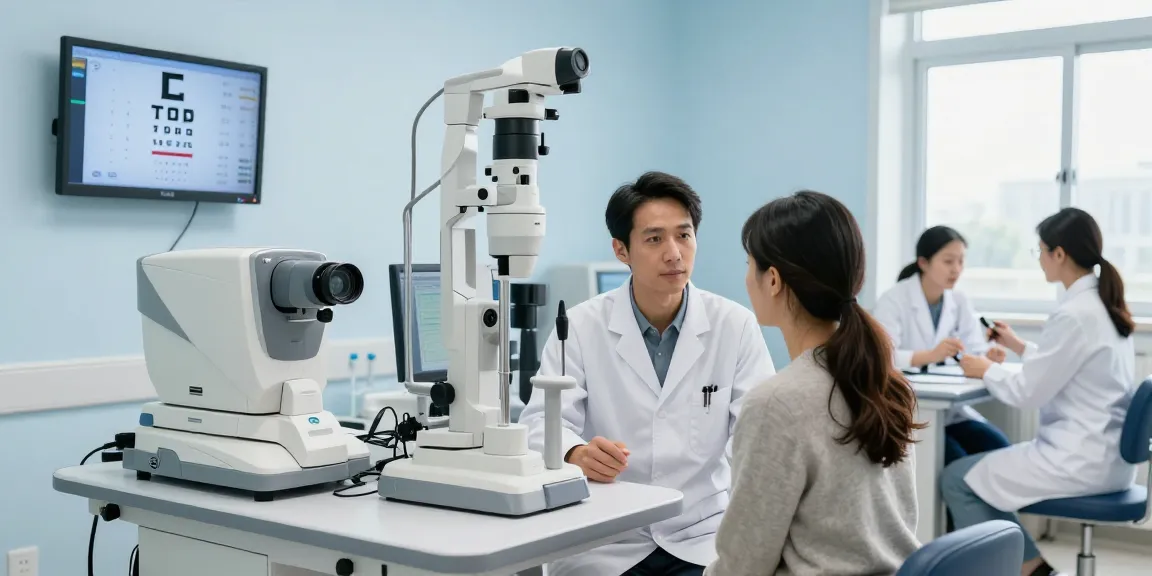
What Is LASIK and How Does It Work?
LASIK, short for Laser-Assisted In Situ Keratomileusis, is a popular eye surgery aimed at correcting refractive vision problems like myopia, hyperopia, and astigmatism. This advanced procedure uses a laser to reshaping the cornea, allowing light rays to better focus on the retina for improved vision. If you are considering LASIK, understanding its workings, benefits, and costs will help you make an informed decision. When exploring options, how much lasik cost is a crucial aspect to consider, especially if you’re evaluating different clinics and treatments.
Understanding the LASIK Procedure
The LASIK procedure typically involves three main steps: creating a flap in the cornea, reshaping the underlying corneal tissue, and repositioning the flap. The entire process usually takes less than 30 minutes per eye and is performed under local anesthesia, ensuring patient comfort. Using a precise laser, the surgeon reshapes the cornea to correct the specific refractive error. This process allows many patients to achieve 20/25 vision or better, significantly reducing or even eliminating the need for glasses or contact lenses.
Benefits of LASIK Surgery
- Quick Recovery: Most patients notice improved vision almost immediately after surgery, with complete recovery taking less than a week.
- Long-Term Results: LASIK offers a permanent solution for refractive errors, with many patients enjoying clear vision for years.
- Reduced Dependency on Eyewear: Many people can stop wearing glasses or contacts after LASIK, enhancing their quality of life.
- Minimal Discomfort: The procedure is quick, and while some discomfort may occur, it typically resolves within a short period.
Overview of Technology Used in LASIK
Modern LASIK employs advanced technologies and techniques, including wavefront-guided technology, which customizes the procedure based on the unique characteristics of each patient’s eyes. This level of precision helps address higher-order aberrations that may not be corrected by traditional methods. Additionally, the use of femtosecond lasers to create corneal flaps has improved safety and accuracy, reducing the risks associated with the procedure.
Factors Influencing LASIK Cost
Several factors contribute to the overall cost of LASIK surgery. These include geographical location, the specific techniques used, and the experience of the surgeon performing the procedure. Understanding these variables can help patients make more informed decisions when considering LASIK.
Geographical Differences in Pricing
The cost of LASIK surgery can vary significantly based on the region. For instance, LASIK procedures in urban areas with a high cost of living may be more expensive compared to rural settings. In general, major metropolitan areas may charge between $2,000 to $3,000 per eye, while smaller cities may feature prices ranging from $1,500 to $2,500. This discrepancy highlights the importance of researching various options.
Types of LASIK Techniques and Their Costs
Different LASIK techniques also affect the price. For example, traditional LASIK may cost less than newer methods like SMILE (Small Incision Lenticule Extraction). The latter tends to be more expensive due to its advanced technology and the precision it offers. Patients should weigh the benefits of each technique against their budget when considering LASIK.
Insurance Coverage and Financing Options
Insurance may not typically cover LASIK surgery, as it is often considered elective. However, many clinics offer financing options or payment plans to assist patients with the cost. Additionally, flexible spending accounts (FSAs) or health savings accounts (HSAs) can help offset expenses, allowing patients to use pre-tax dollars for their surgery.
Comparative Analysis of LASIK Prices
Comparing LASIK prices across different regions and clinics provides valuable insights for prospective patients. Understanding the average costs in relation to the services offered allows patients to gauge whether they are receiving quality care for their investment.
How Much LASIK Cost in Korea Compared to Other Countries
In Korea, LASIK surgery is often more affordable than in Western countries, with prices ranging from $1,000 to $2,000 per eye, depending on the clinic and technology used. For comparison, the cost in the United States can range from $2,000 to $3,000 per eye. This price difference, combined with Korea’s advanced medical technologies, makes it an attractive destination for those considering LASIK.
Case Studies of LASIK Cost Across Various Clinics
Researching case studies of LASIK costs from different clinics can shed light on what patients can expect. For instance, a leading clinic in Seoul may offer competitive pricing for advanced LASIK procedures, which includes pre-operative tests and follow-up care in their package. Understanding these components helps patients evaluate the total value of their investment.
Understanding Value vs. Cost in LASIK Surgery
While cost is a significant factor, it’s essential to understand value. Factors such as the surgeon’s experience, accreditation of the clinic, and technology used will impact the quality of care and outcomes. Investing in a reputable clinic may lead to better long-term results, reducing the need for enhancements or additional procedures later.
Potential Hidden Costs of LASIK
When evaluating LASIK surgery, potential hidden costs may not be immediately apparent. Being aware of these can help patients prepare for the overall expense associated with the procedure.
Aftercare and Follow-Up Services
Post-operative care is critical to achieving the best possible visual outcomes after LASIK surgery. Many clinics provide complimentary follow-up visits, but some might charge extra for extended post-operative care packages. Patients should inquire about these costs upfront to avoid surprises later.
Additional Procedures or Enhancements
In some cases, patients may require enhancements or additional procedures following their initial LASIK surgery to achieve optimal vision. These enhancements may come with additional costs, so it’s wise to discuss these possibilities with the surgeon during the consultation.
Costs Related to Pre-Operative Tests
Pre-operative testing is an essential part of the LASIK process. Various examinations, including corneal mapping and pupil dilation, may incur additional costs. Patients should ensure they understand all pre-operative expenses to budget accordingly.
Future Trends in LASIK Surgery Costs
As technology advances and patient needs evolve, trends in LASIK surgery costs are expected to change. Understanding these potential changes can help patients plan for their future vision correction needs.
Innovations That May Affect Pricing by 2026
Future advancements in LASIK technology may lead to more efficient procedures and potentially lower costs. Innovations such as personalized laser treatments and improved pre-operative assessments could enhance outcomes and streamline processes, keeping prices competitive.
Patient Trends and Market Predictions
As demand for LASIK continues to grow, clinics may adapt pricing strategies to remain competitive. Additionally, the growing interest in non-invasive vision correction options may influence the market, with traditional LASIK evolving to include more personalized and effective treatments.
Predicted Changes in Insurance Coverage for LASIK
Though LASIK is generally not covered by insurance, a shift towards more comprehensive vision care plans may lead to increased coverage options. As more studies highlight the long-term cost savings associated with LASIK, insurers may revisit their policies, which could positively impact accessibility and affordability.
What should I expect during a LASIK consultation?
During a LASIK consultation, patients can expect a thorough examination of their eyes, assessment of their medical history, and discussions regarding their vision correction goals. The surgeon will explain the LASIK procedure, potential risks, and expected outcomes. This is also the perfect time to ask questions and clarify any concerns.
Are there financing options for LASIK?
Many clinics offer financing plans or accept payment through health-related accounts to make LASIK more affordable. Patients should inquire about these options during their consultation to explore the best financial solutions for their needs.
How effective is LASIK in the long term?
LASIK has demonstrated high levels of effectiveness, with most patients achieving 20/25 vision or better after the procedure. Long-term studies show that the majority of patients maintain their vision correction for years, but some may require enhancements as their eyes change with age.
What are the eligibility requirements for LASIK?
To be eligible for LASIK, candidates typically need to be at least 18 years old, have a stable prescription for at least one year, and not suffer from any serious eye conditions or diseases. A thorough evaluation by an eye care professional is essential to determine candidacy.
Are there risks associated with LASIK surgery?
While LASIK is generally safe, there are potential risks, including dry eyes, glare, halos, and undercorrection or overcorrection of vision. Discussing these risks with the surgeon during the consultation can help patients set realistic expectations and make informed decisions.
